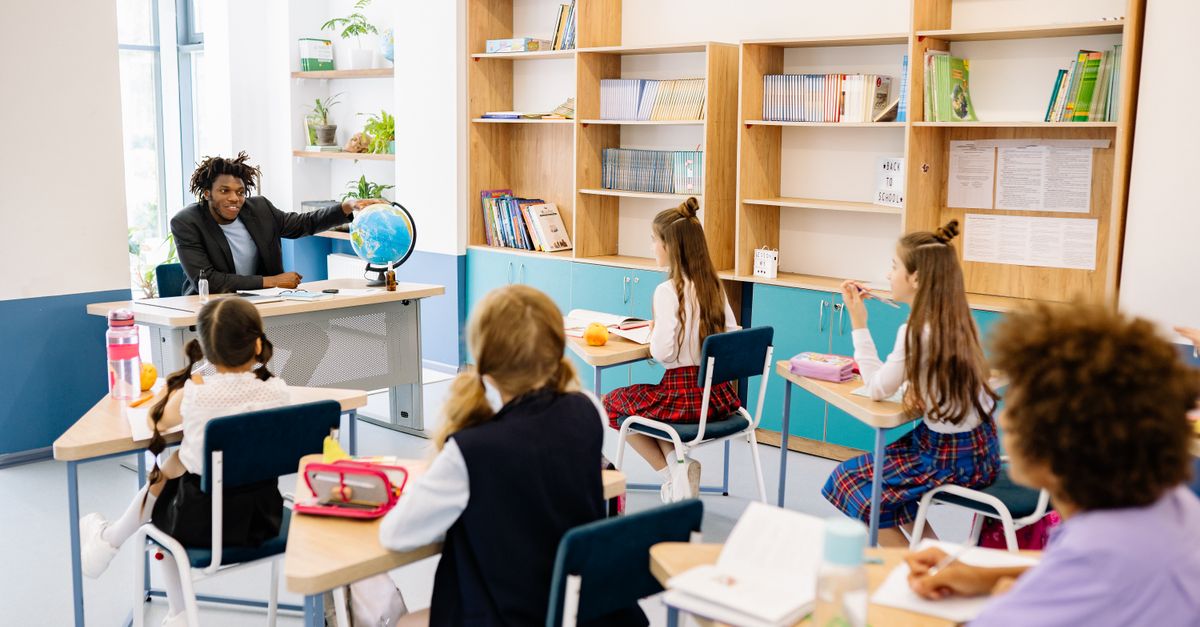
Education’s Role in Community Building
Education: The Bedrock of Community
Education plays a pivotal role in shaping societies, fostering unity and progress. From enhancing individual potential to elevating collective well-being, the impact of learning transcends classrooms, echoing across community landscapes. As we'll explore, the ripple effects of education are profound, reaching far beyond personal growth.
Advertisement
A Boost to Economic Well-being
Education and economic prosperity are closely linked, forming a virtuous cycle. Communities with higher educational attainment often experience greater economic growth, lower unemployment rates, and increased innovation. Educated individuals contribute to a skilled workforce, attracting businesses and significantly improving community infrastructure.
Advertisement
Promoting Social Cohesion
Education fosters social cohesion, which is essential for vibrant communities. Schools often serve as melting pots of cultures, encouraging understanding and acceptance from a young age. This cultural diversity enhances social harmony and reduces prejudices, strengthening the communal bond and fostering a sense of belonging.
Advertisement
Healthier Communities, Brighter Futures
There's a direct correlation between education and health - communities with higher educational levels generally report better health outcomes. Education leads to healthier lifestyle choices, improved mental health awareness, and lower prevalence of chronic diseases. This leads to overall reduced healthcare costs and healthier communities.
Advertisement
Empowering Citizens Through Civic Education
Civic education is vital in empowering citizens to participate in democratic processes. Educated individuals are more likely to engage in voting, community service, and advocacy. This civic engagement is crucial for developing accountable governance, ensuring that communities are represented and their needs addressed.
Advertisement
Environmental Awareness and Action
Education plays a fundamental role in raising awareness about environmental issues and solutions. Knowledgeable citizens are better equipped to advocate for sustainable practices and policies, fostering greener communities. Such educational initiatives promote responsible stewardship of natural resources and commitment to future generations.
Advertisement
Reducing Inequality and Enhancing Equity
One of education’s most remarkable impacts is its power to alleviate inequality. By providing equal learning opportunities, education can bridge the gap between various socio-economic groups. In doing so, it fosters equity, ensuring everyone benefits from community resources, ultimately driving inclusive community development.
Advertisement
Conclusion: Building A Brighter Tomorrow
Education is not just a tool for individual advancement; it’s a cornerstone for community development. Its impact resonates throughout economic, social, health, and civic realms, creating a cohesive and progressive society. As we continue to invest in learning, we not only uplift individuals but also lay the foundation for more connected, vibrant communities.
Advertisement