Traditions in Transition: Navigating Change
Introduction
Traditions, the vibrant tapestry weaving together a culture, undergo a remarkable journey as they adapt to a fast-changing world. In the face of globalization, technology, and modernity, these cherished customs find ways to persist, evolve, and sometimes transform, reflecting a balance between preservation and innovation.
Advertisement
The Essence of Tradition
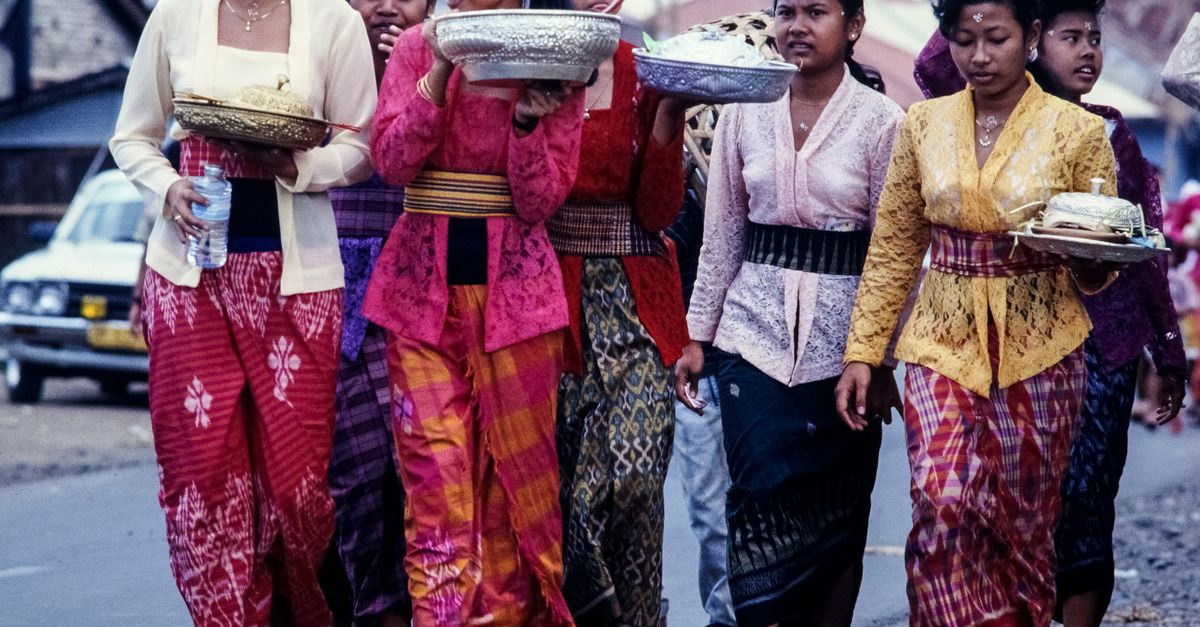
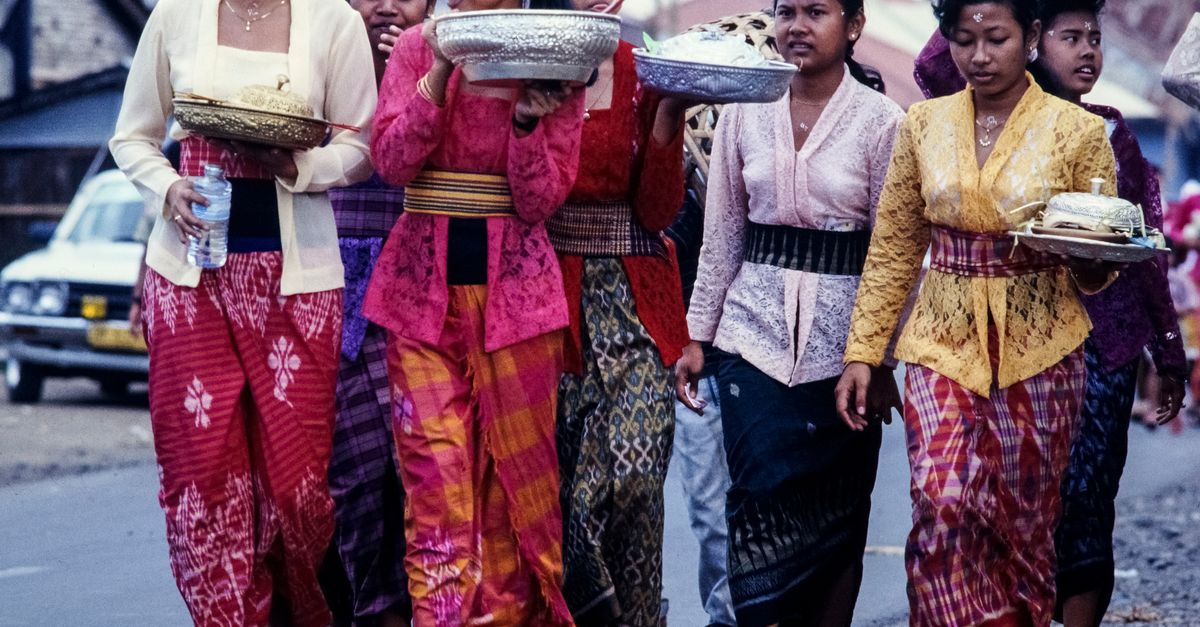
At its core, tradition is a reflection of cultural identity. It embodies the values, beliefs, and collective memories of a group of people. Whether it's a festival, a cherished recipe, or a simple ritual passed down through generations, tradition serves as a bridge to our ancestors, providing a sense of belonging and continuity.
Advertisement
Globalization: A Double-Edged Sword
In an interconnected world, the tapestry of tradition becomes enriched, yet also challenged by globalization. On one hand, it allows for greater exposure and blending of customs, enriching cultural exchanges. Yet, traditional practices face the risk of homogenization, where unique cultural qualities might be overshadowed by dominant global trends.
Advertisement
Technology and the Digital Age
The rise of technology has introduced new platforms and opportunities for traditions to thrive. Social media enables customs to be shared across borders instantaneously, fostering increased cultural understanding and appreciation. Nevertheless, as technology evolves, traditional practices must adapt, sometimes taking forms that diverge from their original context.
Advertisement
The Modern Spin on Traditions
Modernity encourages creativity, leading to evolved versions of traditional practices. For example, fusion cuisine marries ingredients and techniques from different cultures, while virtual reality offers immersive experiences of traditional events. These adaptations ensure traditions remain relevant, appealing, and embraced by younger generations without losing their essence.
Advertisement
The Role of Younger Generations
Younger generations play a pivotal role in tradition's endurance. They carry forward their heritage, often revitalizing traditions with modern interpretations. By injecting fresh perspectives and leveraging new tools, they act as guardians and innovators, ensuring these practices resonate in a contemporary context while maintaining core cultural elements.
Advertisement
Adapting Traditions in a Sustainable Way
With increasing awareness of environmental issues, many cultural practices are evolving to support sustainability. For instance, eco-friendly materials replace traditional ones that are no longer viable. Such mindful transformations not only preserve the environment but also highlight the adaptability of traditions to align with present-day concerns.
Advertisement
Conclusion
Traditions, as living entities, adapt gracefully in the fast-paced, ever-changing world. Rather than being rigid relics of the past, they evolve by weaving new perspectives, advancing technologies, and pressing societal issues into their fabric. Thus, they continue to nurture cultural identity, offering both a sense of continuity and a space for innovative expression.
Advertisement