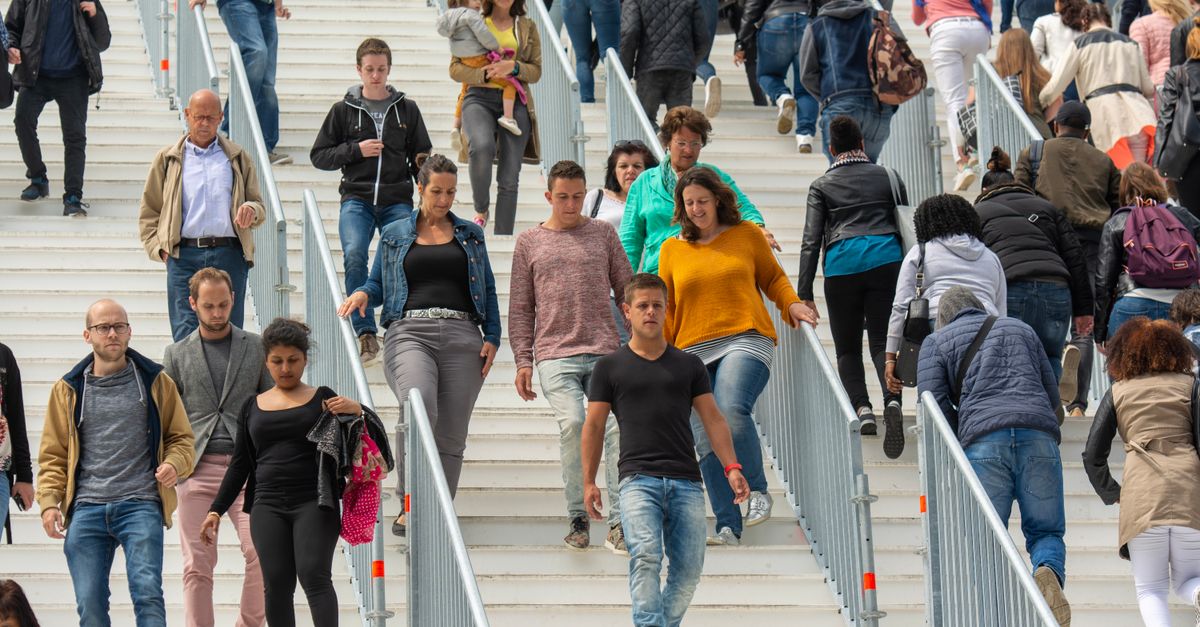
The Impact of Migration on Modern Communities
Introduction
Migration is changing the face of today's communities, playing a key role in cultural exchange, economic enrichment, and social development. As people move across borders, they bring with them unique talents, traditions, and perspectives, reshaping how communities function and interact in the modern world.
Advertisement
A Brief History of Migration
Migration has been an integral aspect of human history, with ancient trade routes and conquests leading to diverse exchanges between civilizations. From the legendary Silk Road linking Asia and Europe to the African Diaspora, human mobility has consistently driven cultural evolution, economic development, and even innovation.
Advertisement
Cultural Enrichment Through Diversity
One of the most enchanting effects of migration is the infusion of cultures that enrich communities. With the arrival of migrants, local traditions often blend to form vibrant and dynamic cultural tapestries. New cuisines, art forms, and religious traditions emerge, giving local residents the flavor of global diversity right at their doorstep.
Advertisement
Economic Contributions and Growth
Migrants often fill vital gaps in labor markets, providing essential skills and knowledge that boost local economies. From tech startups to agriculture, their contributions have spurred innovation and growth. Moreover, they often exhibit entrepreneurial spirit, launching businesses that generate employment and stimulate further economic activities.
Advertisement
Social Integration and Challenges
While migration enriches communities, it also presents challenges. Language barriers and cultural differences can hinder social cohesion. Yet, these hurdles often pave the way for meaningful dialogue and integration initiatives—creating a more inclusive society through community programs and educational efforts that bridge gaps.
Advertisement
Urban Development and Infrastructure
As migrants settle in urban areas, cities experience rapid development. New neighborhoods spring up, reflecting diverse architectural styles and community spaces. As demands rise, infrastructure expands, services improve, and cities experience a rejuvenation that accommodates both migrants and long-standing residents.
Advertisement
Impact on Education Systems
With the influx of migrant children, educational institutions adapt to offer enriched curricula that embrace multiculturalism. Schools become melting pots of ideas and languages, learning becomes more dynamic, and educators gain opportunities for professional development through exposure to diverse teaching methods and student needs.
Advertisement
Conclusion
Migration serves as a catalyst for transformation within modern communities. While challenges exist, the overall influence is overwhelmingly positive, fostering economic vitality, rich cultural exchanges, and urban rejuvenation. As migration continues, communities worldwide will keep evolving, becoming more integrated and resilient in the face of global changes.
Advertisement