Exploring Modern Family Dynamics' Transformations
An Era of Transformation
The modern family is not what it used to be. In recent years, family structures have evolved dramatically, reflecting changing societal norms and individual preferences. Elements such as increased divorce rates, longer lifespans, and advancements in gender equality have contributed significantly to this evolution.
Advertisement
Different Shapes of Families
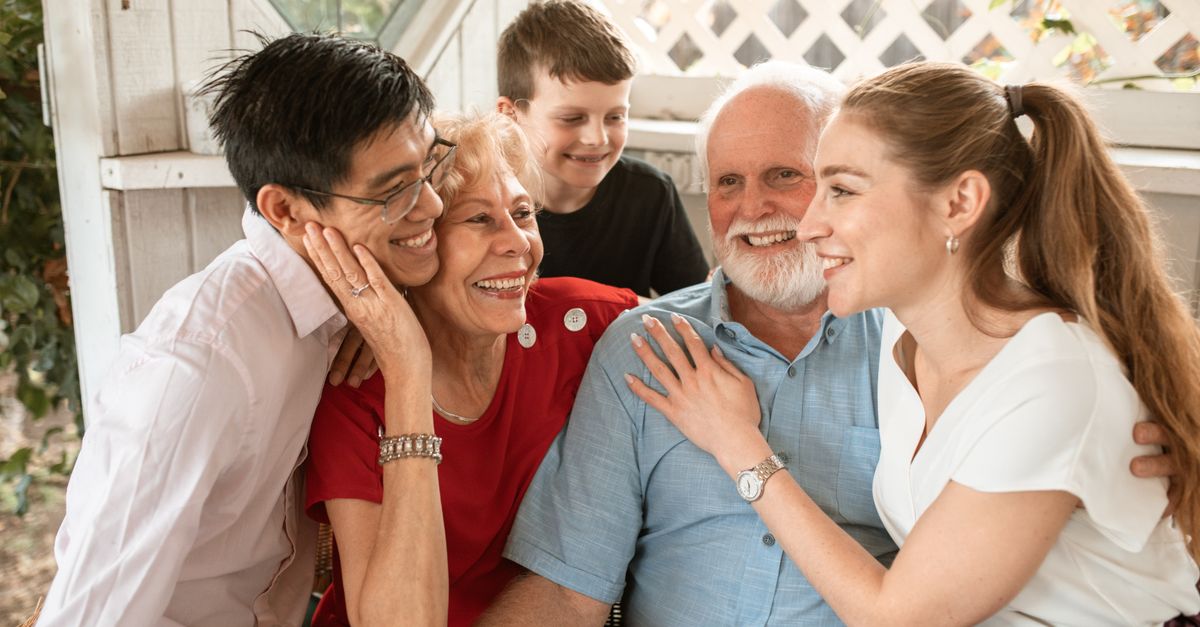
Today's families come in all shapes and sizes. From single-parent households to multi-generational homes, each carries its unique challenges and strengths. The traditional nuclear family is no longer the sole model, as families incorporate diverse compositions, including blended families and cohabitative partnerships.
Advertisement
The Role of Gender in Families
Gender roles within families have shifted, as more women participate in the workforce and men take on domestic responsibilities. This evolution is not only redrawing domestic roles but also nurturing environments where gender equality is celebrated, and individual aspirations are supported.
Advertisement
Technology: A Double-Edged Sword
Technology has had a profound impact on family life. While it offers avenues for connectivity, bridging distances and enabling constant communication, it also poses challenges. Family members may become detached, glued to screens instead of each other, thus affecting the emotional dynamics within the household.
Advertisement
Cultural Influences
Cultural backgrounds significantly influence how family dynamics evolve. As globalization connects cultures, diverse practices emerge within family structures, with shared traditions and exchanges enriching the family tapestry while also presenting unique challenges in blending different cultural dynamics.
Advertisement
Economic Pressures and Family Dynamics
Economic fluctuations have a direct impact on family structures. Financial pressures can alter dynamics, making dual-income families more common or necessitating multi-generational living arrangements. Economic shifts demand resilience and adaptability in balancing home life and financial responsibilities.
Advertisement
Legal Recognition and Family Diversity
The recognition of diverse family forms under the law reflects broader societal changes. From legalizing same-sex marriage to recognizing cohabitative partnerships and adoptive families, the legal system is gradually adapting to mirror real-world family configurations, though disparities still exist.
Advertisement
A Reflection of Society's Progress
Family dynamics are a mirror reflecting society's progress or regress. They embody shifts towards greater acceptance and flexibility, highlighting how far societal norms and values have come. Each unique family structure contributes to a patchwork quilt, illustrating human adaptability and complexity.
Advertisement